Why We Test With NABL-Accredited Labs — And Why It Matters
A COA is only as trustworthy as the lab that issued it. What NABL accreditation actually means for your supply chain.
By Freshlen Team · Compliance Desk
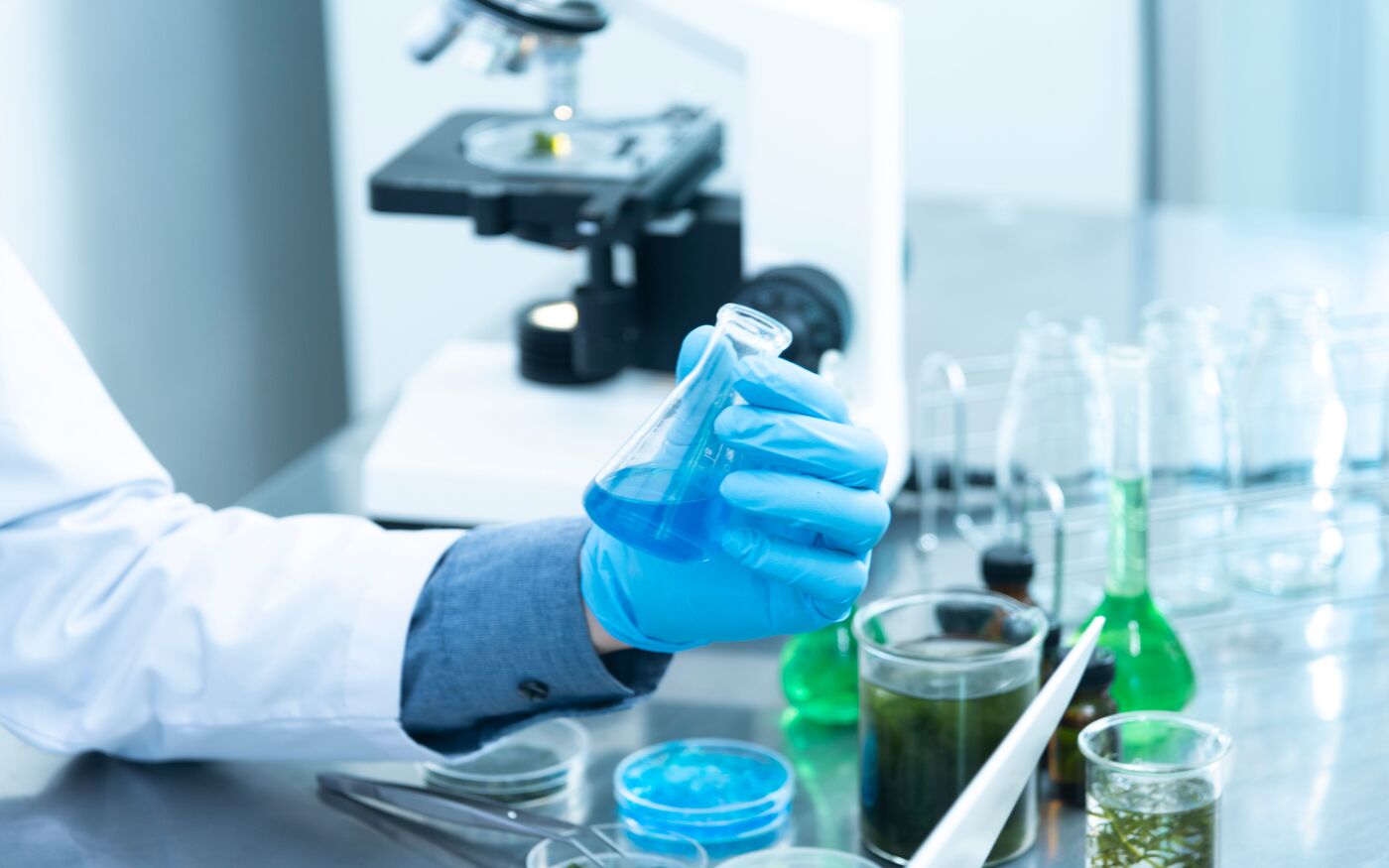
A Certificate of Analysis is supposed to be your proof of safety. But here's what most buyers don't realise: a COA is only as trustworthy as the lab that issued it. At Freshlen, every batch is tested by NABL-accredited laboratories.
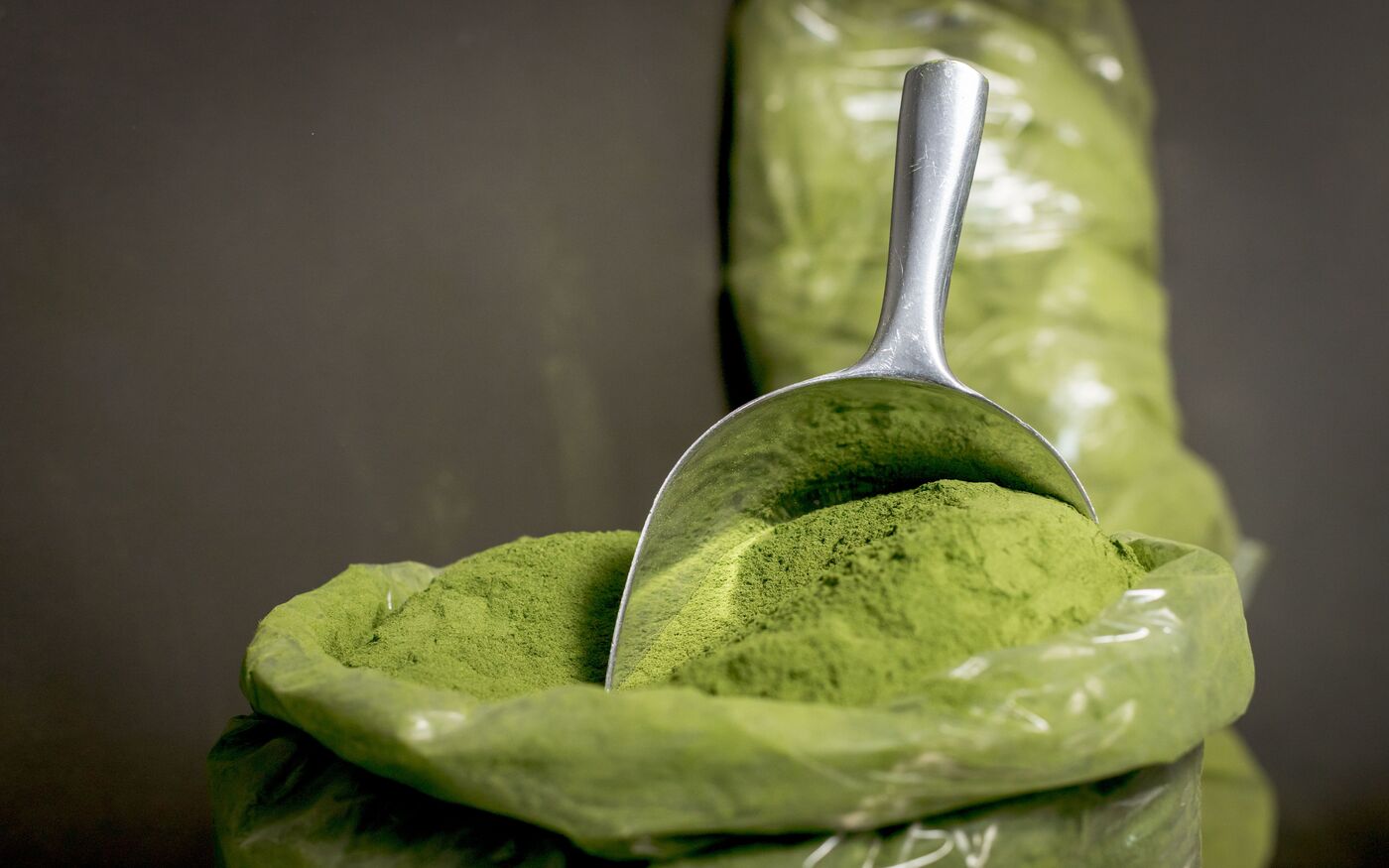
Moringa is a known hyperaccumulator — it draws metals like lead and cadmium out of the soil and concentrates them in its leaves. Independent studies have found moringa powders, including some from India, exceeding international limits for lead, cadmium, and mercury. Testing isn't optional for moringa — it's the difference between a clean shipment and one rejected at your border.
NABL is India's national accreditation body, certifying labs against ISO/IEC 17025. Crucially, NABL is a signatory to ILAC and APAC mutual-recognition arrangements — so a NABL-accredited result is recognised in the EU, US, Australia, and beyond. An in-house COA on letterhead is a claim. A NABL-accredited COA is verifiable proof your authorities will accept.
Every commercial batch is screened for heavy metals (lead, cadmium, arsenic, mercury), microbial load, aflatoxins, pesticide residues, and moisture content — reported against the limits your destination market enforces, including EU Regulation (EU) 2023/915. The result: fewer rejected consignments, faster customs clearance, and a defensible audit trail. You're not just buying powder — you're buying documentation that holds up.